How to Analyze Clinical Trial Data: Methods, Tools, Examples
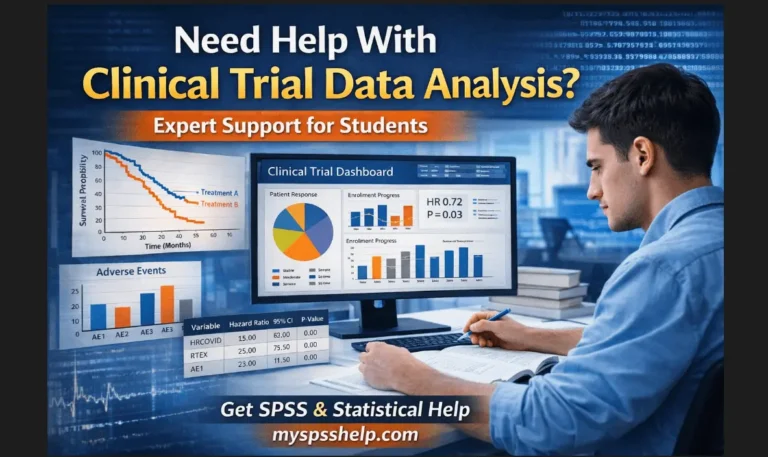
How to analyze clinical trial data using structured methods, statistical tools, visualization, and topline reporting. Practical guide with examples and workflows.
If you’re searching for reliable SPSS help or SPSS Dissertation services, you’re in the right place. This category is dedicated to providing comprehensive, expert-written resources on how to use the Statistical Package for the Social Sciences (SPSS) effectively.
If you’re a student tackling a dissertation, a professional conducting advanced analysis, or a researcher preparing for publication.
SPSS is one of the most widely used tools for statistical analysis, offering powerful capabilities in data management, hypothesis testing, regression, ANOVA, and more. However, it’s not always easy to navigate, especially for those new to statistics or working under pressure. That’s where we come in.
At myspsshelp.com, we offer step-by-step tutorials, SPSS guides, and real-world examples to simplify your learning curve. Our blog posts explain how to run key statistical tests, interpret outputs, and avoid common mistakes. We also dive deep into SPSS for dissertations, showing you how to present your findings in a clear, publishable format.
Whether you need help running a linear regression, writing up your results, or just understanding the basics of SPSS output, you’ll find valuable support here. We’re trusted by thousands of students, researchers, and businesses across the world. Our resources are designed to help you work smarter, save time, and increase the accuracy and reliability of your results.
Explore the posts in this category and don’t hesitate to reach out if you need personalized assistance. For affordable expert support, check our pricing page or explore our professional SPSS help services.

How to analyze clinical trial data using structured methods, statistical tools, visualization, and topline reporting. Practical guide with examples and workflows.

Event feedback surveys help organizers measure success, improve future events, and engage audiences. Learn how to design effective surveys, ask the right questions, and analyze data with confidence.

A training feedback survey turns opinions into evidence. This guide shows how to design questions, run pre and post surveys, analyze the data in SPSS, and report results that improve programs. You’ll also see how to handle online and virtual formats, plus step‑by‑step help for running and interpreting a paired t‑test.
Employee engagement drives productivity, retention, and company culture. Companies that measure and act on engagement data retain top talent and improve workplace satisfaction. The Qualtrics employee engagement survey helps organizations move beyond basic feedback and build deeper insights into their workforce. Employee engagement goes beyond enjoyment at work. It reflects how employees connect with the…

Trying to create a SurveyMonkey survey but getting stuck with questions, logic, or setup? This guide shows the exact steps and fixes common mistakes so your survey works properly.

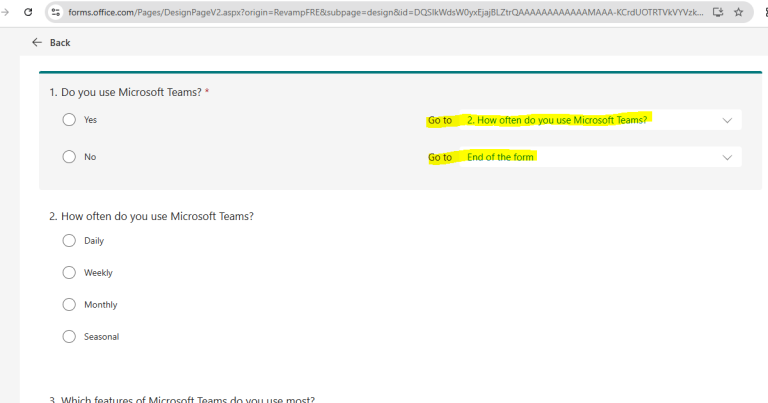
If your Microsoft Forms survey shows every question to every respondent, your data will be messy and difficult to analyze. Conditional logic solves this by guiding participants through relevant questions only. This guide shows you exactly how to set up branching, fix common errors, and structure your survey for clean, reliable dissertation data.

Hidden fields in Typeform let you personalize questions, track responses, and capture important details without asking again. This guide shows you exactly how to set them up, customize them, and use them to improve survey engagement and data quality.

Struggling with how to analyse questionnaire data after collecting responses? This practical guide shows the exact steps for cleaning, coding, testing, and interpreting survey data, while highlighting where most researchers get stuck. If your analysis feels confusing or your results do not look right, expert support can help you produce accurate, defensible findings faster.

Want to collect reliable survey data? Understanding survey sampling methods is key. This in-depth guide covers everything from probability to non-probability sampling, ensuring your study produces valid, generalizable results.

Collected your survey responses but now stuck in SPSS? Many students struggle with coding questionnaire data, choosing the right statistical tests, interpreting output, and writing Chapter 4 correctly. This guide explains survey data analysis using SPSS step by step while showing where students commonly fail and how expert support can help you finish your dissertation or thesis with confidence.

Hiring a survey design expert can save you time, reduce errors, and improve your research outcomes. This guide walks you through the steps of identifying, vetting, and working with the right survey consultant – whether for business, academic, or nonprofit use.

Need professional help with survey design and analysis? Whether you’re conducting academic research, customer feedback surveys, or product testing, this guide will show you where to find reliable, expert-level support from trusted providers like My Survey Help.

Looking to build robust surveys with advanced logic, real-time analytics, and seamless integrations? This all-in-one QuestionPro guide explores everything from setup to analysis, tailored for researchers, businesses, educators, and students.

Confused about how much SPSS help costs? Learn what affects pricing, typical cost ranges, and how to get a clear quote for professional support on your data analysis or dissertation.

Need help with SPSS for dissertation analysis? Our experts run your statistical tests, interpret results, and format everything for your dissertation chapters. Submit polished results and reduce revisions with professional SPSS support.