Understanding how employees feel about their work, their team, and the organization is a critical competitive advantage. This is where employee satisfaction survey best practices become essential for leaders who want reliable insights that guide confident decisions. Businesses often assume they already know what their people think, but real data tells a more comprehensive story. A well designed employee satisfaction survey gives leadership measurable indicators of morale, engagement, alignment, and organizational health. When implemented with rigor, these surveys reveal gaps that affect productivity and highlight strengths that deserve reinforcement. In today’s environment where retention, culture, and performance are closely linked, companies need structured feedback systems more than ever. This guide breaks down the most important employee satisfaction survey best practices that ensure your data is complete, accurate, secure, and genuinely actionable. Everything here is based on research backed principles and practical experience managing employee feedback programs.
Define a Clear Objective Before Designing the Survey
One of the most important employee satisfaction survey best practices is establishing a clear objective before drafting any questions. Many organizations begin by assembling large lists of potential items without identifying what they want to measure. This leads to long, unfocused surveys that overwhelm employees and produce vague results. A precise goal serves as a filter for everything that follows. For example, are you evaluating team level management practices, overall organizational culture, workload balance, stress factors, recognition experiences, or career development pathways? Each of these areas requires a different type of question, tone, and scale.
Begin by aligning the survey objective with your business priorities. If your organization is experiencing turnover, you may want to collect data on career growth, respect, psychological safety, and leadership support. If you recently introduced a major change initiative, your objective may focus on communication quality and change readiness. When your objective is defined, drafting consistent questions becomes easier and your analysis becomes more meaningful.
Another reason this practice matters is the impact on data interpretation. Leaders frequently misread employee satisfaction results because the survey questions do not match the real issues they intended to investigate. A clear objective prevents this misalignment. It also guides how you will share insights with stakeholders. When your purpose is specific, the final report reads more like a strategic roadmap rather than a collection of charts.
Build Questions That Are Clear, Neutral, and Aligned With Research Standards
High quality questions are at the core of employee satisfaction survey best practices. Surveys fail not because the employees refuse to provide feedback but because questions are ambiguous or leading. Every question must be clear, direct, and free from emotional language. For instance, “Do you feel valued by your manager” is more effective than “Does your manager usually make you feel unappreciated”. The first item focuses on measurement while the second introduces bias.
Use one concept per question to avoid cognitive overload. Double barreled questions such as “Do you feel respected and motivated at work” confuse respondents because they may answer differently for each concept. Neutrality is equally important. Avoid phrasing that signals a desired answer or implies consequences. Employees must feel safe giving honest feedback.
Scale selection is another major best practice. A consistent Likert scale such as 1 to 5 improves interpretation and minimizes respondent fatigue. Ranking questions, open ended items, and matrix scales should be used strategically, not excessively. When in doubt, prioritize clarity and simplicity.
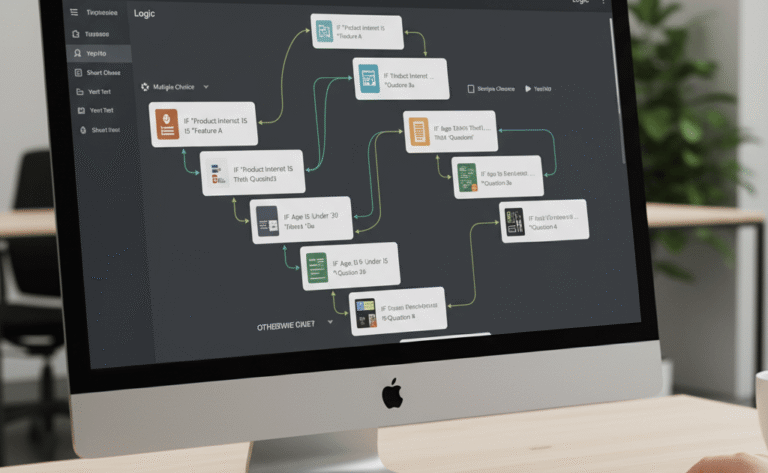
You should also incorporate demographic segments such as department, tenure, role type, and location. These variables support better analysis later, provided anonymity remains intact. Many organizations rely on platforms like Microsoft Forms, SurveyMonkey, or Qualtrics for this reason since they offer automated skip logic and response validation. If you want more guidance on advanced methods, you can review the SurveyMonkey Guide available on your website, which explains logic and structure in detail.
Provide Full Anonymity and Communicate It Clearly
Another important employee satisfaction survey best practice involves protecting respondent anonymity. Employees only provide candid feedback when they trust the process. If they believe their answers can be traced back to them, results become superficial and unreliable. For this reason, organizations must prioritize confidentiality in both design and communication.
Start by selecting a survey tool that supports anonymous responses. Many tools strip identifying data, but you must verify settings that prevent tracking of emails, names, or login information. If you plan to collect demographic attributes, ensure that your categories do not create identifiable combinations such as very small teams or niche roles.
Transparency is key. Before launching the survey, communicate three things very clearly:
- The survey is anonymous.
- No one in management will see individual responses.
- Insights will only be shared in aggregate form.
Additionally, indicate who will have access to raw data. When employees know that only a trained data analyst or HR insights specialist manages the dataset, trust increases significantly. Encourage questions from staff to reinforce that confidentiality is genuine, not symbolic.
Anonymity also improves data quality. Employees feel more comfortable giving constructive criticism, sharing concerns, and highlighting issues that might otherwise remain hidden. These honest responses lead to stronger insights for the organization. If your workforce has never taken a formal survey before or has had negative experiences in the past, dedicate extra time explaining how anonymity works.
Embedding this practice into your survey culture creates consistency and builds long term participation. It strengthens the credibility of every future survey cycle.
Choose the Right Timing and Keep the Survey Length Reasonable
Timing influences participation and data quality more than most organizations realize. Launching an employee survey during peak workloads, major deadlines, or organizational transitions reduces reliability. Therefore, choosing the right timing is one of the top employee satisfaction survey best practices.
Plan your survey period during a stable window where employees have enough time to think, reflect, and respond. Ideally, the survey should run for about two weeks. This gives teams flexibility without allowing so much time that the feedback becomes outdated. Send reminders strategically, perhaps midway through and again toward the end. Excessive reminders can create pressure and reduce sincerity.
Survey length also plays a major role in completion rates. Surveys with excessive pages or repetitive items cause fatigue. Aim for a balanced questionnaire that collects meaningful data without overwhelming respondents. A typical employee satisfaction survey may include 20 to 30 questions, depending on complexity. Matrix questions should be used sparingly since they increase time spent per page.
Communicate the estimated completion time in advance since people are more willing to start when they know the commitment is manageable. If your timing includes organizational events such as performance reviews, benefit enrollment, or audits, consider adjusting. These periods create cognitive load and affect the type of responses employees provide.
Finally, test the survey internally before launch. Have a small pilot group complete the survey to identify unclear instructions or technical barriers. This ensures a smoother experience for the full workforce.
Share Results Transparently and Follow Up With Action Plans
One of the most overlooked employee satisfaction survey best practices involves what happens after the survey. Employees want to know that their feedback matters. Data without action leads to disengagement. After analyzing the results, share a clear summary with employees. This summary should include strengths, opportunities, and themes that emerged across teams.
Present results in a visual and accessible format. Charts, sentiment summaries, and heat maps help employees understand patterns. Avoid overly technical language that disconnects people from the findings. The goal is to show everyone that their feedback was heard and taken seriously.
The most important step is developing action plans. Each department or team should select two or three priorities based on the survey results. These priorities must be measurable, time bound, and visible. For instance, if employees reported gaps in communication, the action plan might include weekly touchpoints or improved documentation. If concerns about workload balance emerged, leadership may review staffing or task allocation.
HR teams and managers should collaborate to ensure the action plans align with the broader organizational strategy. Provide regular updates so employees can track progress. This transparency reinforces trust and encourages higher participation rates in future cycles.
If your organization handles large datasets or complex environments, you can read more Survey Distribution Methods on our website.
Conclusion
Effective employee satisfaction surveys provide clarity around morale, communication, leadership, workload, and overall organizational health. By following employee satisfaction survey best practices, organizations move beyond guesswork and gather high quality feedback that drives strategic improvements. The most successful survey programs share similar characteristics. They begin with a clear objective, use well structured questions, protect confidentiality, and follow thoughtful timing. They also treat survey participation as a partnership where leadership listens to employees and then acts on the insights.
When your survey process is designed with this level of care, your workforce becomes more engaged and committed. Employees feel valued when their experiences shape decisions. Leadership gains access to data that reveals hidden challenges and opportunities for growth. Over time, this builds a feedback culture that strengthens trust, performance, and retention. Consistency is essential. Each survey cycle should reinforce the message that every voice contributes to better outcomes. With these practices, your organization will cultivate a thriving workplace grounded in credible insights and meaningful action.